Background to the Consultation
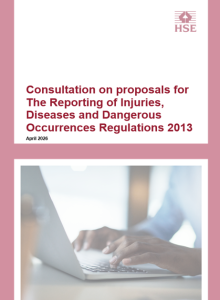 On 4th April, the Health and Safety Executive (HSE) announced a consultation on proposed changes to The Reporting of Injuries, Diseases and Dangerous Occurrences Regulations 2013 (RIDDOR). Disappointingly, the 74-page consultation document fails to address how the HSE or wider society can be better informed about the significant harm caused by workplace stress, sexual harassment, and bullying. Additionally, the growing concerns from the Hazards movement and many trade unions about occupational suicide continue to be disregarded.
Our concerns about this consultation and its effects on our health and safety regulator are as follows.
It undermines the credibility of the regulator, the sequence of events leading to this consultation has further undermined the already fragile credibility of our health and safety regulator among employees, trade unions, and organisations such as ours. Years of ideological cuts imposed by successive Conservative/Liberal Democrat coalition elected in 2010 and the Conservative one that followed have left the HSE severely weakened. It is deeply concerning that the UK Government persists in supporting deregulatory pressures from business interests, at the expense of worker safety is a stance that can only be described as disgraceful.
It threatens the HSE autonomy and its tripartism, two of the foundation stones of our health and safety system.
Despite the HSE’s supposed autonomy from Government, this independence is now in question. In October 2024, Prime Minister Keir Starmer addressed an invited audience of business leaders and financiers, calling on all regulators to submit proposals by 16 January for “five measurable commitments or changes” they could deliver in the following year “within a tolerable level of risk.
With both its credibility and autonomy under threat, further concerns have been raised by Rory O’Neil, Editor of Hazards Magazine, regarding the lack of transparency at the highest level within the HSE.
In his article, “Watchdog’s State”, O’Neil details the lengths he has had to go to uncover the HSE’s willingness to comply with Government demands.
The HSE went to great lengths to block release of information, including the letter from the HSE to Number 10 outlining their response to the Prime Minister and his efforts to appease business and bankers,
Rory O’Neil goes on to say, “Regulators will be summoned twice a year by the relevant secretary of state – in HSE’s case, the work and pensions secretary – and ‘will be judged against a set of targets agreed with the businesses they affect.’”
This approach signals not just the end of an autonomous HSE, but also the abandonment of tripartism—a cornerstone of our health and safety system. Instead, it is to be replaced by arrangements where only employers are given a seat at the table.
It ignores the role of trade unions and the hazards movement. They must not be excluded from this tokenistic consultation. It is vital that we coordinate our responses and highlight the ways in which RIDDOR fails countless workers and their families. Too often, lives are ruined or lost due to workplace harms that are psychological rather than physical, yet the HSE has failed to act.
This is the first several articles over the next four weeks aimed at helping individuals, trade unions and others develop their responses before the deadline for submissions on 30th June 2026.
The response from the HSE is poor and ignores the reality of RIDDOR, to many workplace harms are not reportable, the psychological harms arising from workplace stress, bullying and sexual harassment. It continues to ignore work related suicides. Our view is these are potentially interconnected but of the regulator does not gather evidence or investigate cases we will be having this debate for many years to come.
Rachael Radway, Deputy Director of Regulation at the HSE, commented in the press release announcing the consultation:
“RIDDOR reporting is central to how we identify emerging risk, target regulatory activity and contribute to the evidence base for workplace health and safety. This consultation allows those who will be affected by the changes to have their say as we look to improve standards and reduce the burden on business.”
However, it is difficult to see how this consultation could help in identifying emerging risks, targeting regulatory activity, or strengthening the evidence base for workplace health and safety when there are no plans to gather evidence on psychological harm resulting from employers’ failure to manage or even acknowledge such issues.
Unless significant changes are made, this consultation will do nothing to make workplaces psychologically healthier or safer. True economic growth is best achieved by ensuring people remain at work, or are supported to return to work after illness, thereby improving productivity.
Final Message to Government
In conclusion, we send a clear message to the Prime Minister: it is time to move beyond the tired rhetoric about the “burdens of regulation.” Remember, protecting workers’ health and safety is not a burden, but a fundamental responsibility.
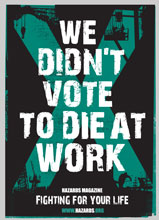
Keir Starmer, remember “We didn’t Vote to Die at Work”
Leave a Reply
You must be logged in to post a comment.